Northern Ireland Music Therapy Trust

Services

Neurodiversity & Learning Differences

Music therapy can support clients with conditions such as autism spectrum disorder, ADHD, learning disabilities, and developmental delays. It provides a structured yet flexible experience that can support engagement while honouring individual needs.

Supporting communication, regulation, and connection

Music therapy offers an affirming, person-centred approach that supports people in ways that respect their strengths, sensory needs, communication preferences, and individuality.

Communication support Emotional regulation Sensory awareness Confidence building Social connection
How We Help

In music therapy sessions the therapist will help identify areas for development to achieve outcomes such as:

Communication skills:

Music therapy can provide opportunities for improving both verbal and non-verbal communication through singing, vocalising and instrumental play as well as supported use of communication aids. This allows individuals who struggle with language to express thoughts, needs and feelings as so build trust and connect with others.

Talk to us

Emotional regulation:

Music therapy provides a safe space for clients to express emotions, increase positive self-esteem as well as support self-regulation to reduce anxiety, stress, and distressed behaviours.

Talk to us

Cognitive & Motor Development:

Music therapy sessions can promote increased concentration and attention, develop fine and gross motor skills and improve coordination through musical activities and instrumental play.

Talk to us

Social skills:

Music therapy provides opportunities to engage in shared musical activities with others through music-making to encourage turn taking, listening, increased eye contact as well as supporting meaningful shared attention and trust.

Talk to us

Reducing hyperactivity and impulsivity:

Active music therapy (playing instruments) and passive music therapy (listening) help regulate motor activity and reduce impulsivity.

Talk to us
Who It Is For

Responsive support across different settings

This service may support autistic people, people with ADHD, learning differences, sensory processing differences, communication differences, and others who benefit from flexible, creative therapeutic support.

Sessions can take place in schools, community services, family support settings, healthcare environments, and other spaces where a person may benefit from relational, music-based support.

  • Children and young people with communication differences
  • People who benefit from non-verbal or creative therapeutic approaches
  • Individuals needing support with regulation and connection
  • Settings seeking inclusive, neuro-affirming support
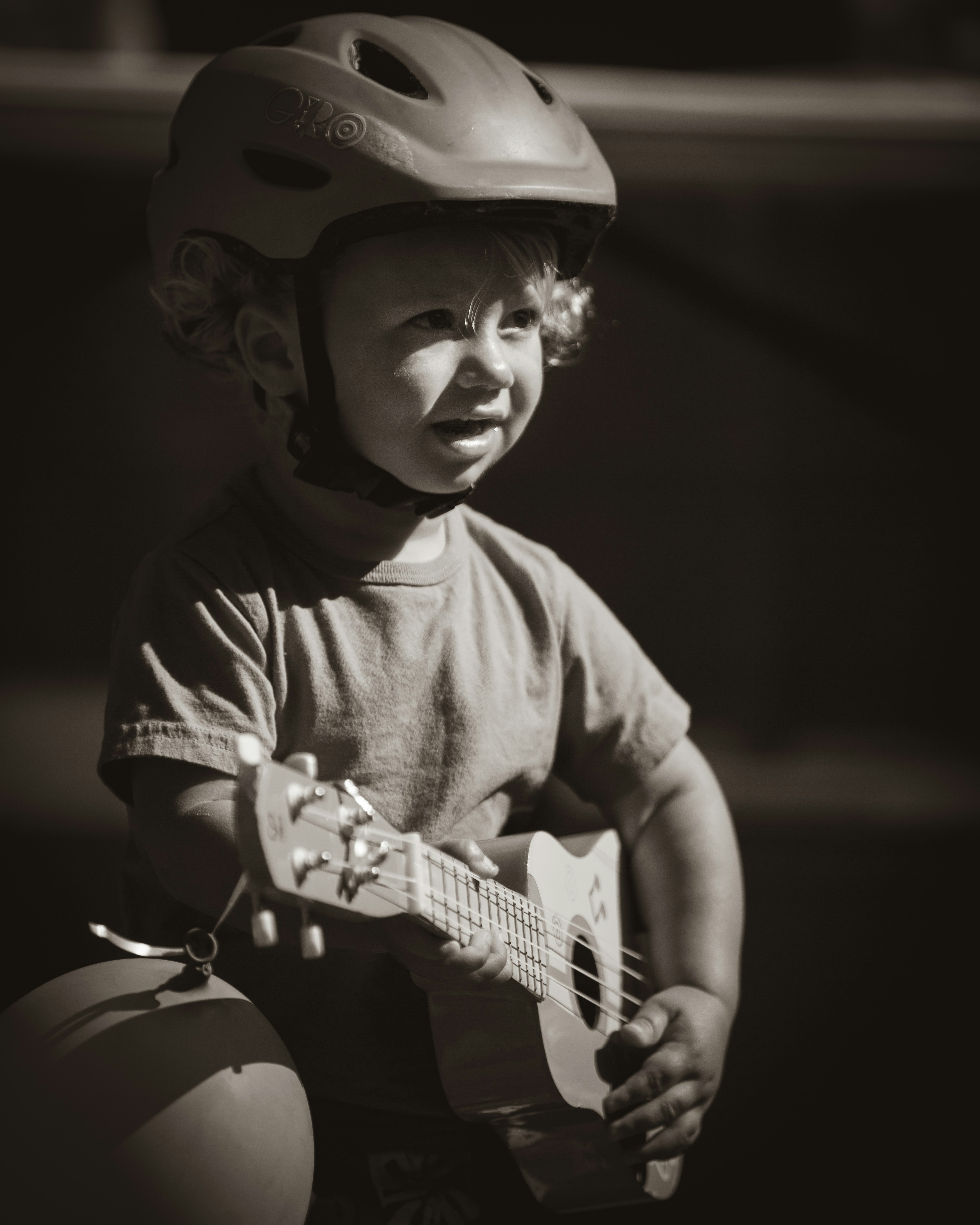
Child engaged in music therapy
Music therapy in a supportive setting
In Practice

Working with strengths, interests, and individuality

Music therapy allows support to be shaped around the person, rather than forcing the person to fit a rigid model. Sessions can use rhythm, repetition, improvisation, familiar songs, structure, and play to support engagement and development.

Discuss a referral
Our Approach

How support is delivered

01

Initial conversation

We begin by understanding the person, the setting, and the goals of support.

02

Assessment

We consider communication style, sensory needs, strengths, interests, and therapeutic fit.

03

Therapy delivery

Sessions are tailored, flexible, and responsive to the person’s needs and way of engaging.

04

Review and outcomes

We reflect on progress collaboratively and adapt support to remain meaningful and inclusive.