Northern Ireland Music Therapy Trust

Services

Acquired Brain injury & Stroke Rehabilitation

For people living with acquired brain injuries or a neuro-degenerative condition, music therapy can be very beneficial and influence functional changes and quality of life. Music is processed in many parts of the brain, which makes it an excellent tool for people living with an acquired brain injury or recovering from a stroke by tapping into the brain's remarkable neuroplasticity.

Music therapy supporting rehabilitation
Movement Supporting timing, coordination, and purposeful physical engagement
Communication Helping people express, connect, and participate more fully
Motivation Encouraging confidence, persistence, and meaningful rehabilitation work
Overview

Supporting recovery in ways that feel human and meaningful

Rehabilitation is not only about physical recovery. It can also involve changes in identity, independence, confidence, routine, and emotional wellbeing. Music therapy can support both functional goals and the wider human experience of rehabilitation.

Sessions are shaped around the individual, their goals, and the wider context of care, helping rehabilitation feel more relational, motivating, and personally relevant.

How We Help

In music therapy sessions the therapist will help identify areas for development to achieve outcomes such as:

Speech and Communication

Music therapy can support self-expression, interaction and communication for those whose speech or language has been affected by illness, injury, or neurological change. Music and songs can help patients with aphasia improve word retrieval and speech fluency, as patients can often sing words they cannot speak.

Motor Function and Gait

Rhythmic stimulation through instrumental play helps synchronize movement, enhancing the speed, precision, and coordination of both fine and gross motor skills. Instrumental play can also improve hand-eye coordination and strengthen upper-body muscles.

Motivation

Active music therapy (playing instruments) and passive music therapy (listening) can help increase motivation to participate in rehabilitation and improve attention.

Emotional adjustment

Music therapy provides a safe space for clients to express emotions both musically and vocally as they adapt to injury, illness, loss, or major change.

Identity and confidence

Music can help people reconnect with strengths, preferences, memory, and a sense of self.

Neurological Recovery

Music therapy promotes neural reorganization, the ability of the brain to form new neural connections, accelerating recovery.

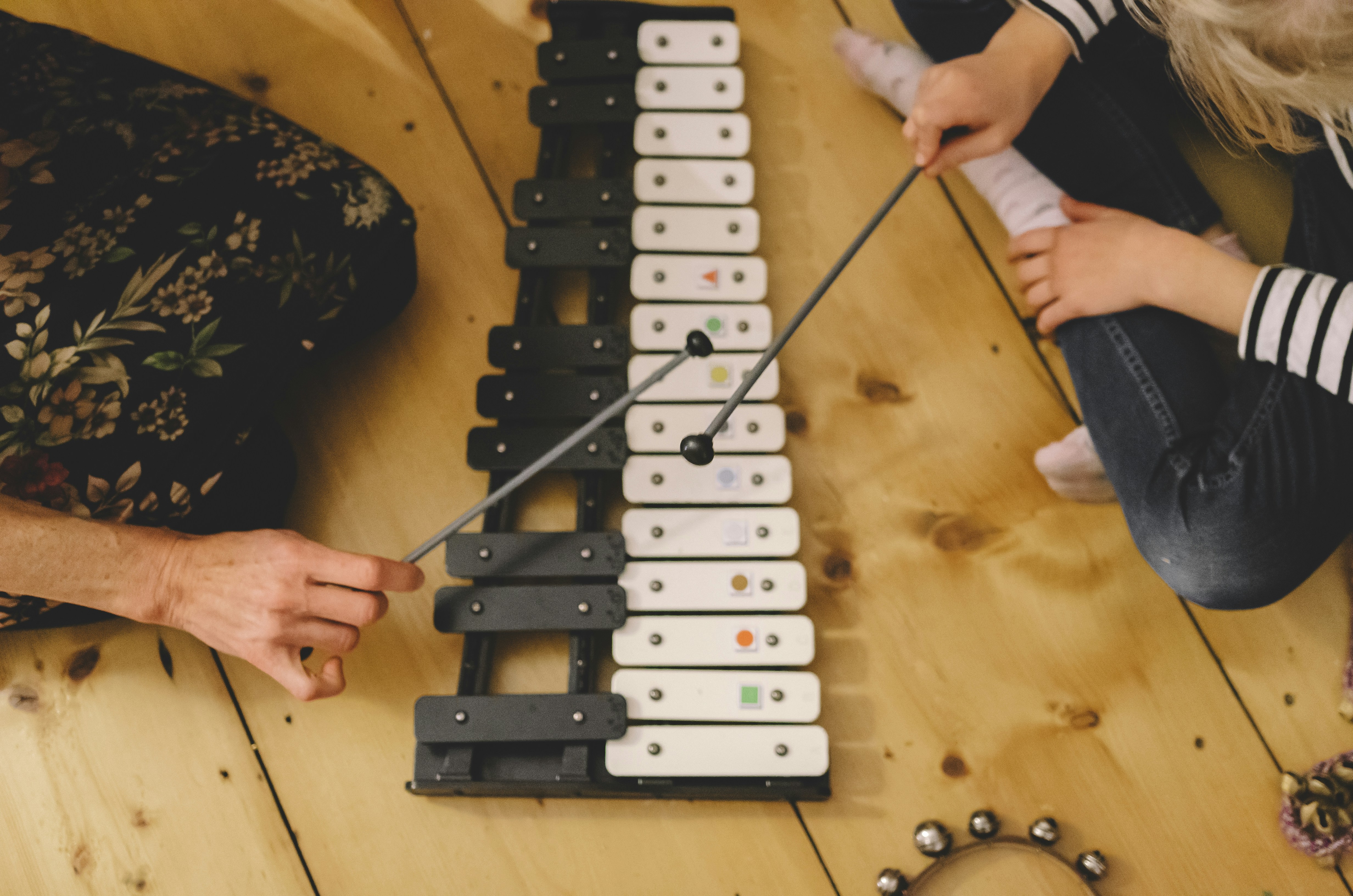
Adult music therapy session
Who It Is For

Flexible rehabilitation support across settings

This service may support people living with stroke, acquired brain injury, neurological conditions, degenerative illness, long-term physical disability, or other rehabilitation needs.

Sessions can take place in hospitals, rehabilitation services, community settings, residential care, and other environments where people benefit from therapeutic, music-based support.

  • People recovering from stroke or brain injury
  • Individuals living with neurological conditions
  • People adjusting to changes in mobility, speech, or independence
  • Settings seeking meaningful rehabilitation support alongside wider care
Our Approach

A clear pathway of support

01

Referral or enquiry

We begin by understanding the setting, the person, and the goals of rehabilitation support.

02

Assessment

We consider communication, mobility, emotional needs, strengths, and therapeutic fit.

03

Therapy delivery

Sessions are tailored to support movement, engagement, communication, and wellbeing.

04

Review

Progress is reviewed collaboratively so support remains meaningful and responsive.

In Practice

Rehabilitation that supports the whole person

Music therapy can complement wider rehabilitation by addressing not only movement and communication, but also confidence, identity, emotional adjustment, and motivation. This can make rehabilitation feel more relational, engaging, and personally meaningful.

Discuss a referral
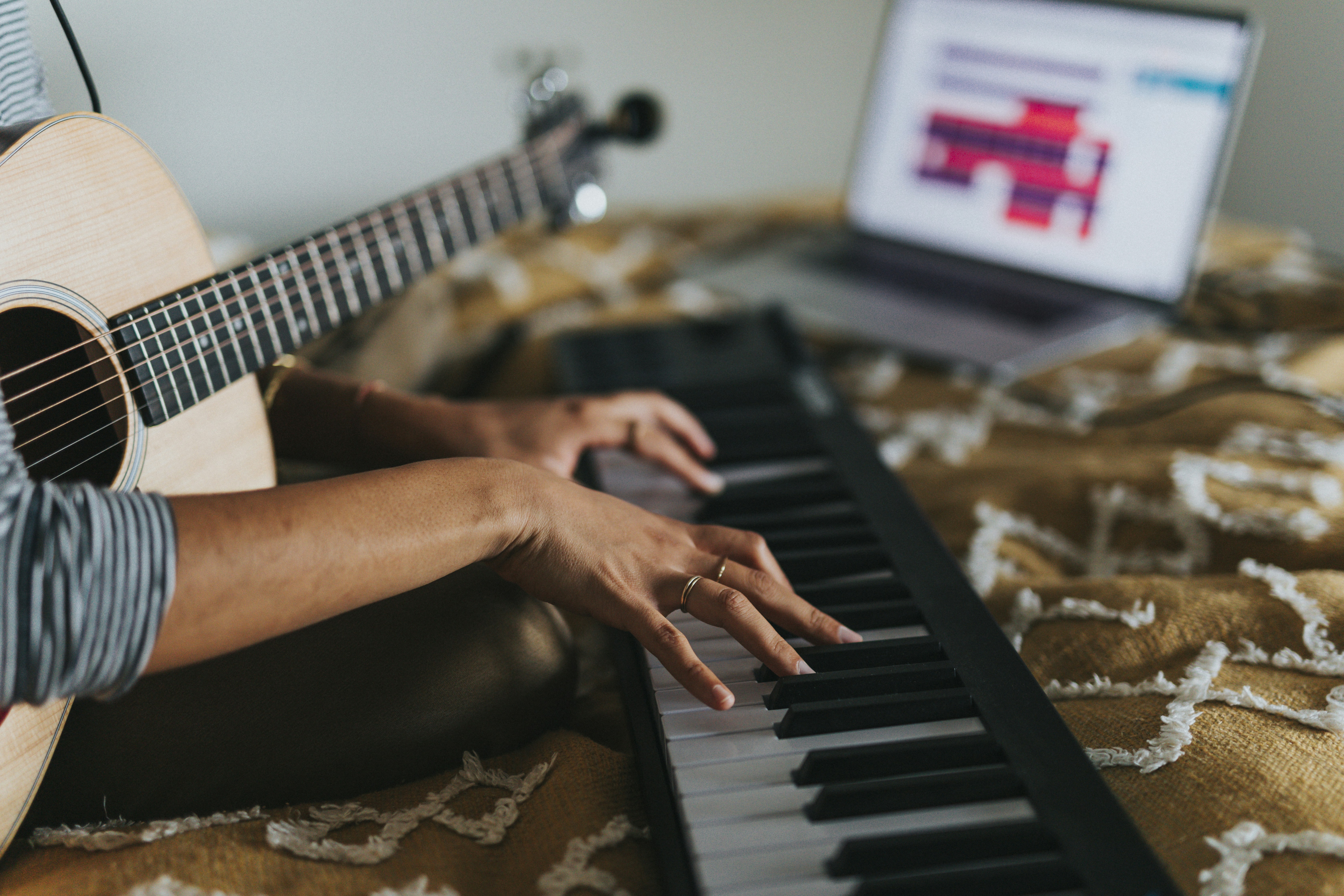
Music therapy in rehabilitation practice