Staff Well-Being
Music Therapy can assist with return to work after illness, help female employers navigate menopause, and create a better working environment.
Northern Ireland Music Therapy Trust

Music therapy utilises tailored musical interventions like singing, guided imagery, and lyric analysis to alleviate physical pain, manage anxiety, and improve the overall quality of life for terminally ill patients and their families.


Music therapy engages the whole person, addressing the physical, emotional, social, and spiritual challenges that often arise during end-of-life care.
Therapists evaluate a patient's musical preferences and physical capacities to customise sessions. Sessions might include playing or streaming familiar, comforting music to induce physiological relaxation. Therapists may encourage patients to play simple percussion instruments, sing, or engage in vocal improvisation to promote self-expression and connection with others. Sessions may also involve guiding patients in writing original songs or recording playlists to share with loved ones.
Music Therapy can assist with return to work after illness, help female employers navigate menopause, and create a better working environment.
Sessions offer a way to process difficult emotions (like fear, frustration, or grief) when words fall short.
Music therapy allows patients and loved ones to bond, create lasting memories, and engage in meaningful end-of-life planning.
Music therapy can extend therapeutic benefits to family members and caregivers, helping reduce stress and anxiety before and after bereavement.
Music therapy in palliative care provides emotional and physical relief for patients at any stage of a serious illness. It can take place almost anywhere care is delivered, adapting to a patient's condition and environment, including hospice centres, hospitals, patients' own homes, and residential care facilities.

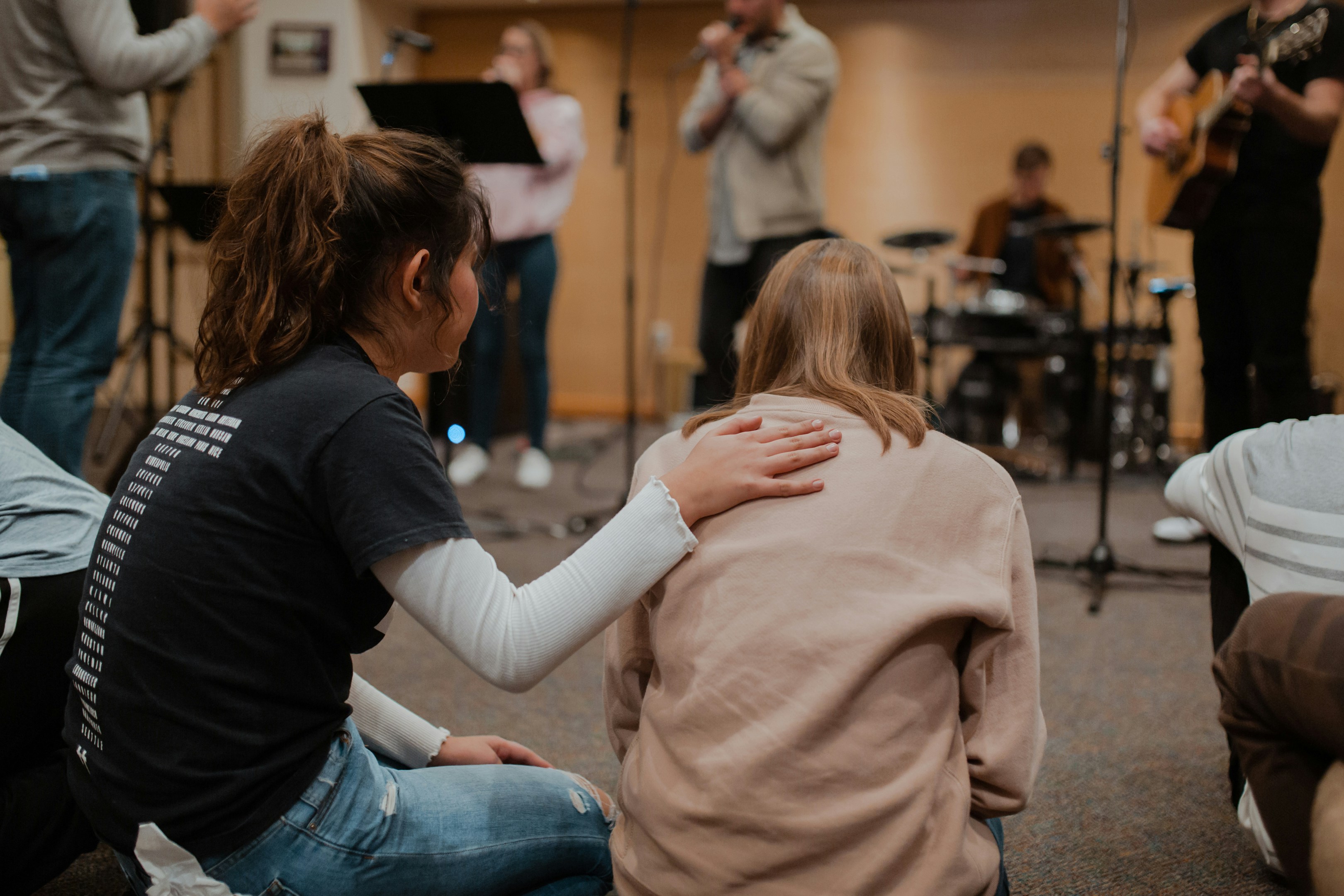
Sessions may include familiar music, singing, simple percussion, vocal improvisation, guided imagery, playlist creation, songwriting, or recording meaningful music to share with loved ones.
Discuss a referralWe consider the person’s illness, environment, physical capacity, preferences, and support goals.
Therapy is shaped around music that is familiar, comforting, meaningful, or emotionally supportive.
Where appropriate, loved ones may be included to support bonding, shared memories, and legacy work.
Support remains flexible and responsive as needs, energy levels, symptoms, and circumstances change.