
Music Therapy in Healthcare Settings
A structured introduction to what music therapy is, how it works, and how it can support patients, families, and teams.
Northern Ireland Music Therapy Trust
We provide training for healthcare professionals to deepen understanding of music therapy, relational practice, communication, emotional wellbeing, and person-centred support across a range of clinical and care environments.

Healthcare professionals work in environments that are often complex, high-pressure, and emotionally demanding. Our training helps staff think more deeply about communication, relational support, regulation, therapeutic engagement, and the role of music therapy within wider care pathways.
A structured introduction to what music therapy is, how it works, and how it can support patients, families, and teams.

Training that explores therapeutic communication, listening, responsiveness, and the relational aspects of care.

Helping professionals think more clearly about distress, regulation, containment, and emotionally informed support.
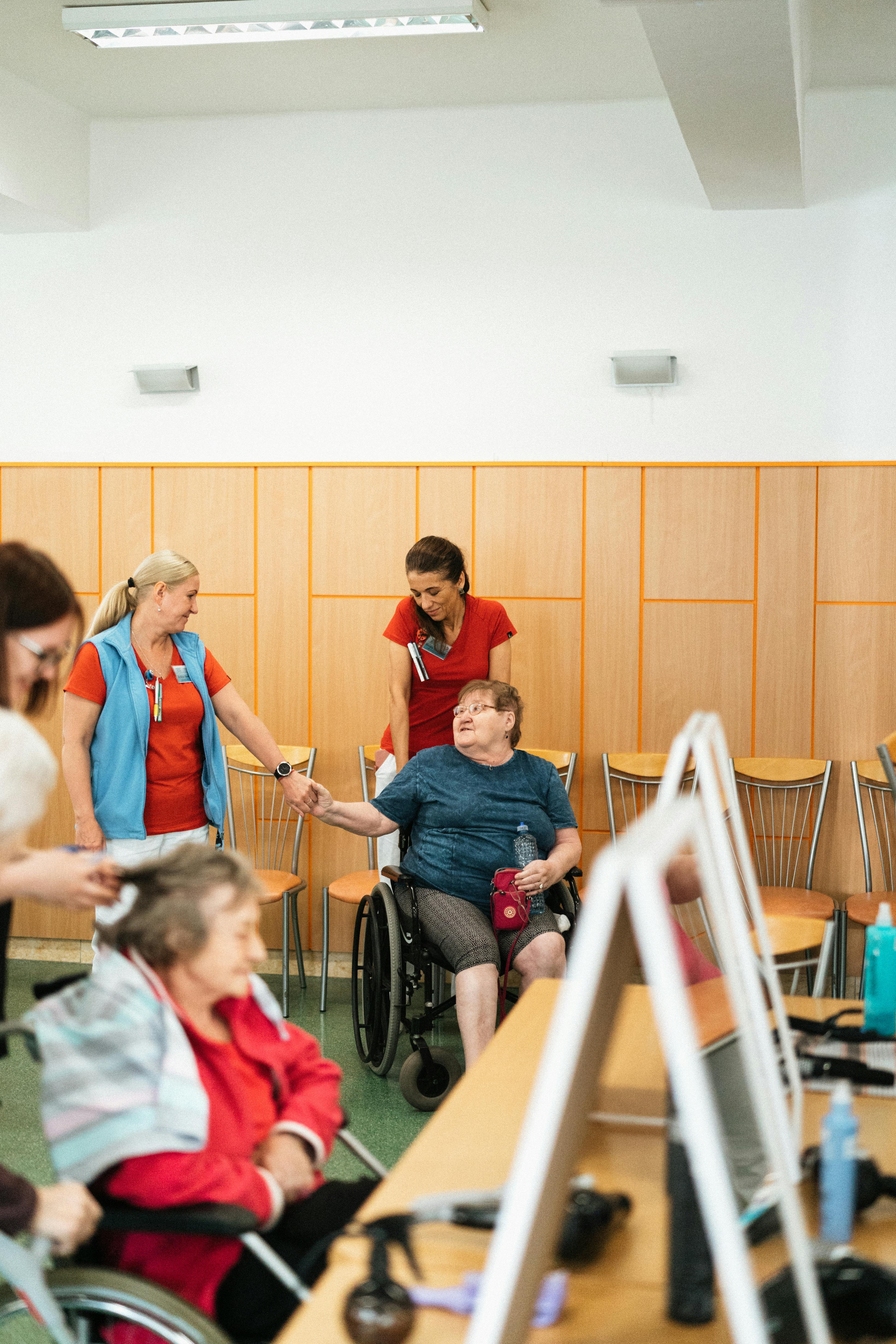
Sessions designed around your service, patient group, professional team, and the challenges of your setting.
Our training combines clinical understanding, therapeutic insight, and real-world experience of working across diverse healthcare and care environments.
Our work is informed by music therapy practice across health, care, and community settings, giving professionals access to insight that is practical, reflective, and clinically relevant.

We shape training with the realities of healthcare settings in mind, including communication, distress, family context, staff pressure, and multidisciplinary working.
Our training encourages staff to think not only about tasks and systems, but about relationship, regulation, dignity, and the lived experience of care.
About UsAvailable as team teaching, study sessions, service development input, or tailored training packages.
Bringing therapeutic and relational understanding into healthcare conversations and practice development.
Helping staff leave with clearer understanding, stronger confidence, and more thoughtful practice.
Ideal for wards, departments, care teams, and multidisciplinary staff groups.
Focused training around specific practice areas, care pathways, or staff development priorities.
Longer-form teaching designed to support deeper reflection, learning, and applied discussion.